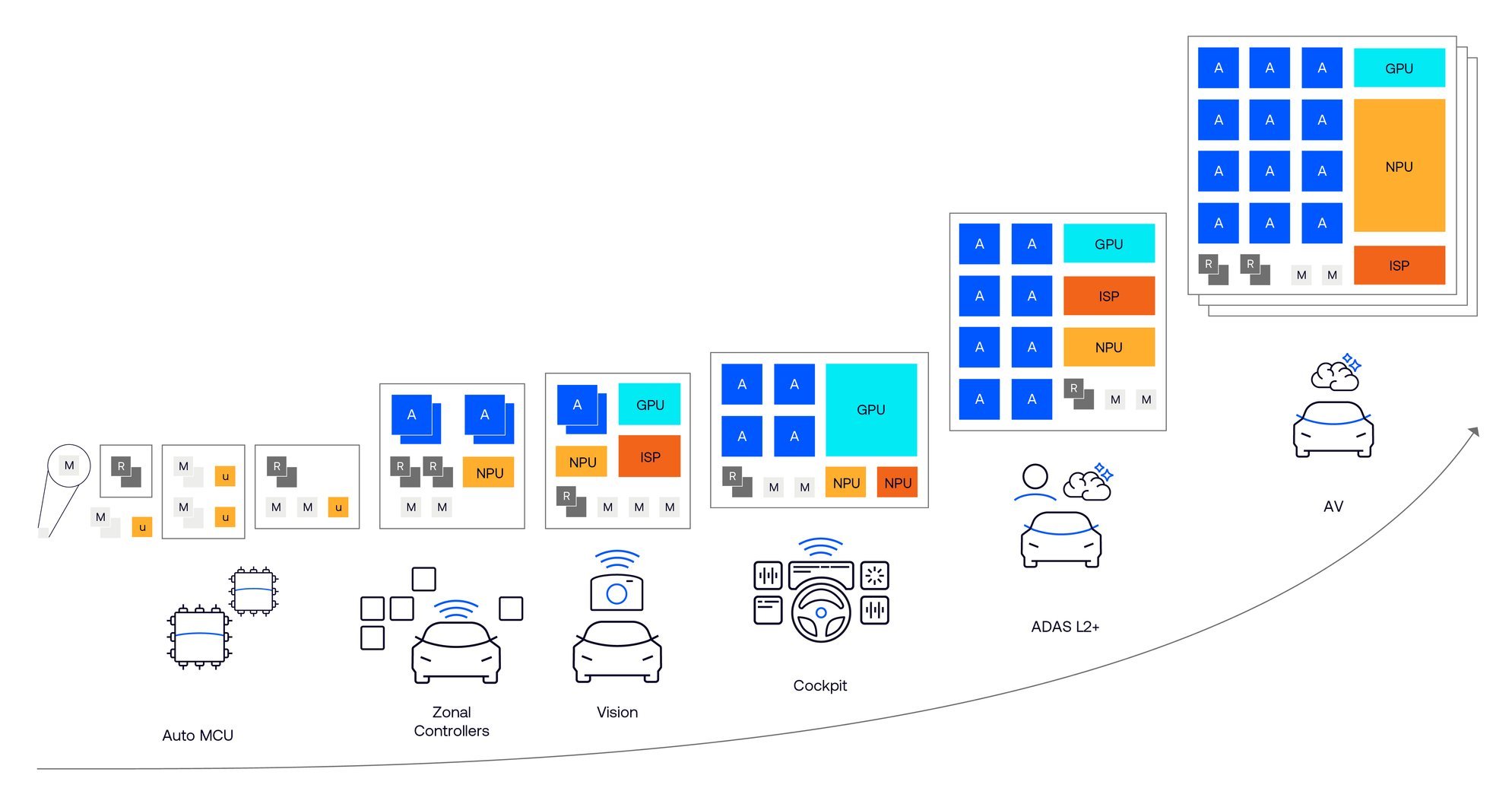
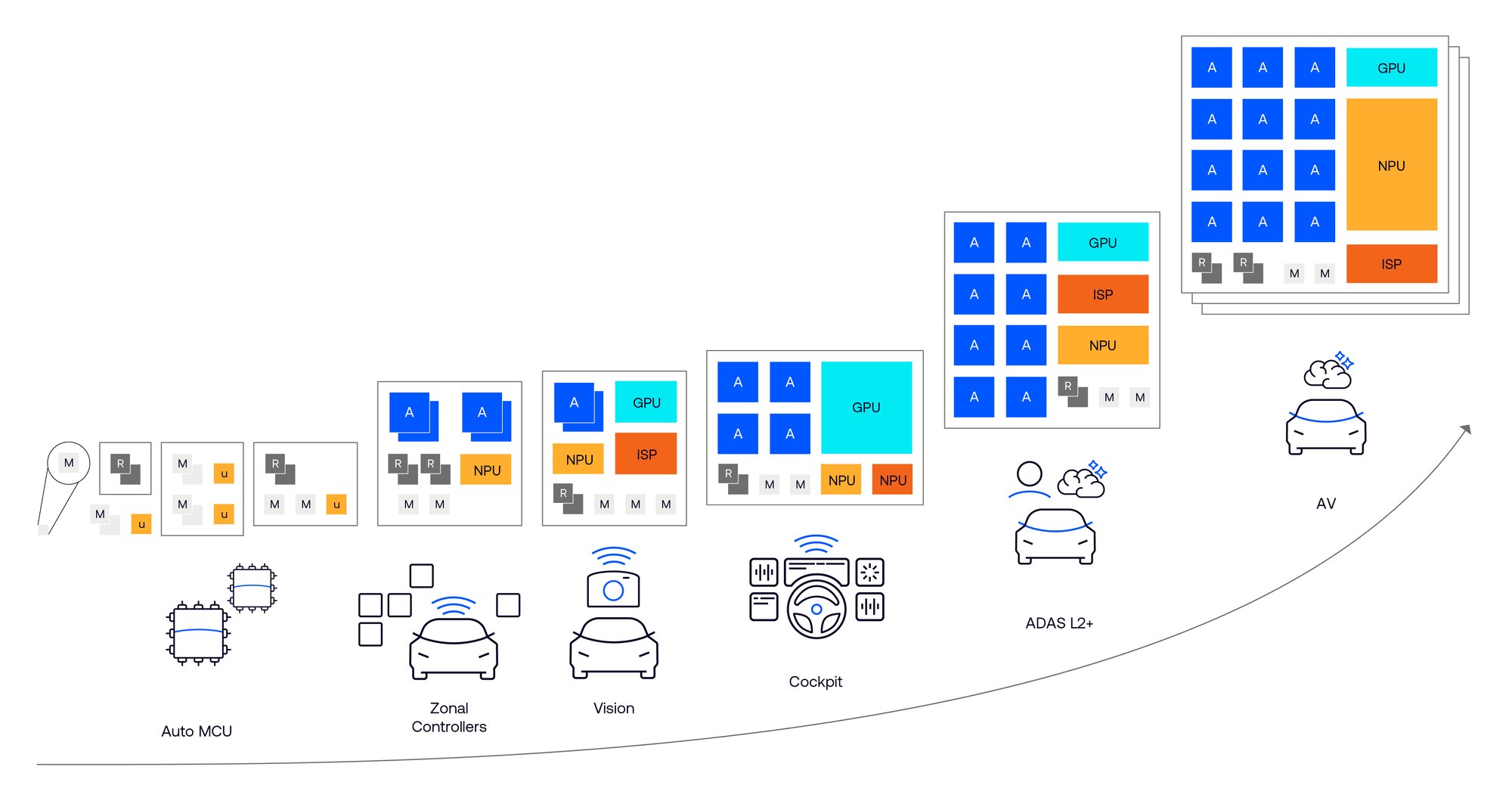
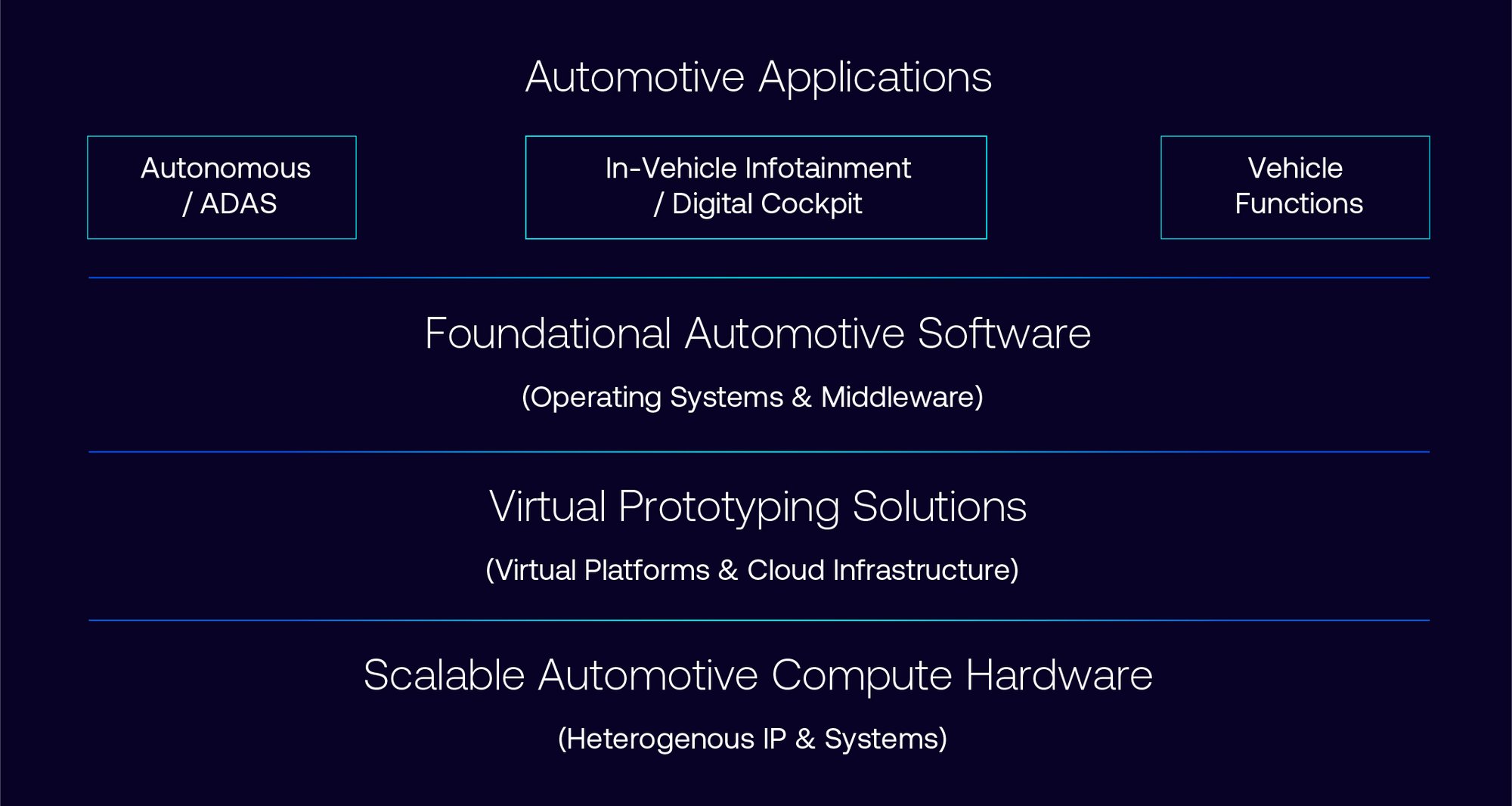
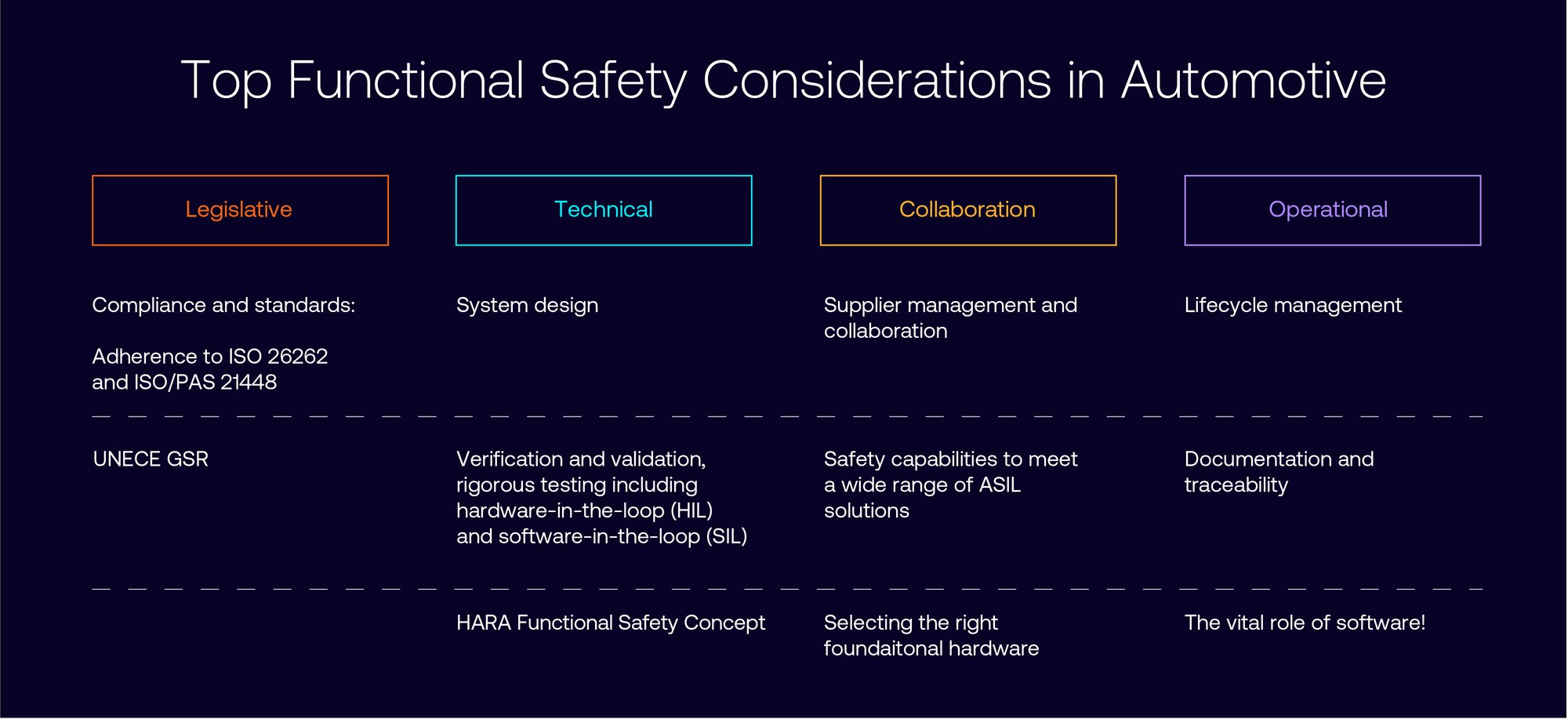
As SDVs naturally provide the foundation for AI-defined vehicles, this scalable compute foundation becomes even more critical. ADAS features are no longer reactive—they are becoming predictive. AI-defined vehicles will use real-time inference from radar, lidar, and camera data to anticipate driver behavior and road conditions before taking corrective action. This requires high-performance, low-latency compute at the edge. Arm’s AE technologies provide the processing power and safety features needed to enable the next generation of AI-based perception and decision-making in a scalable, power-efficient architecture.
Latest Arm Technology Advances
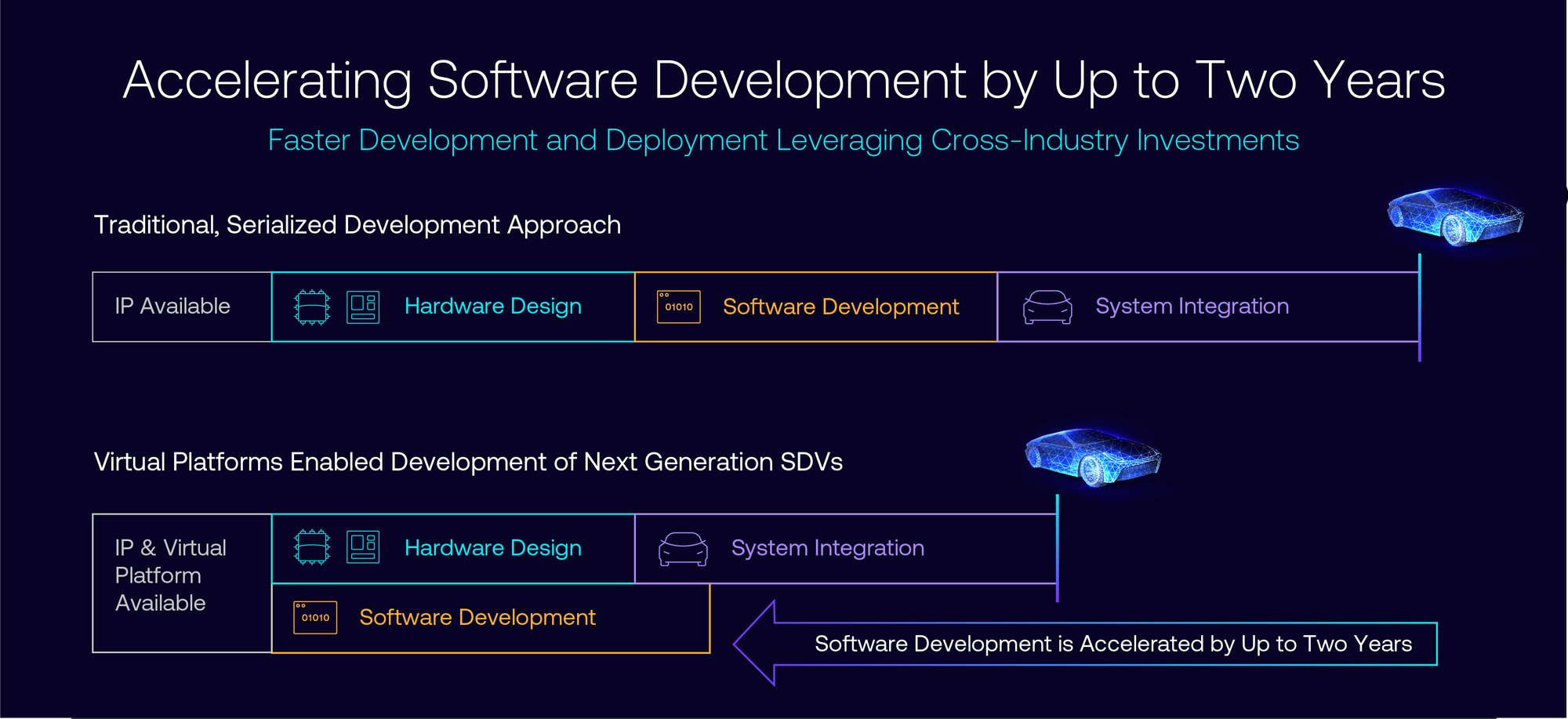
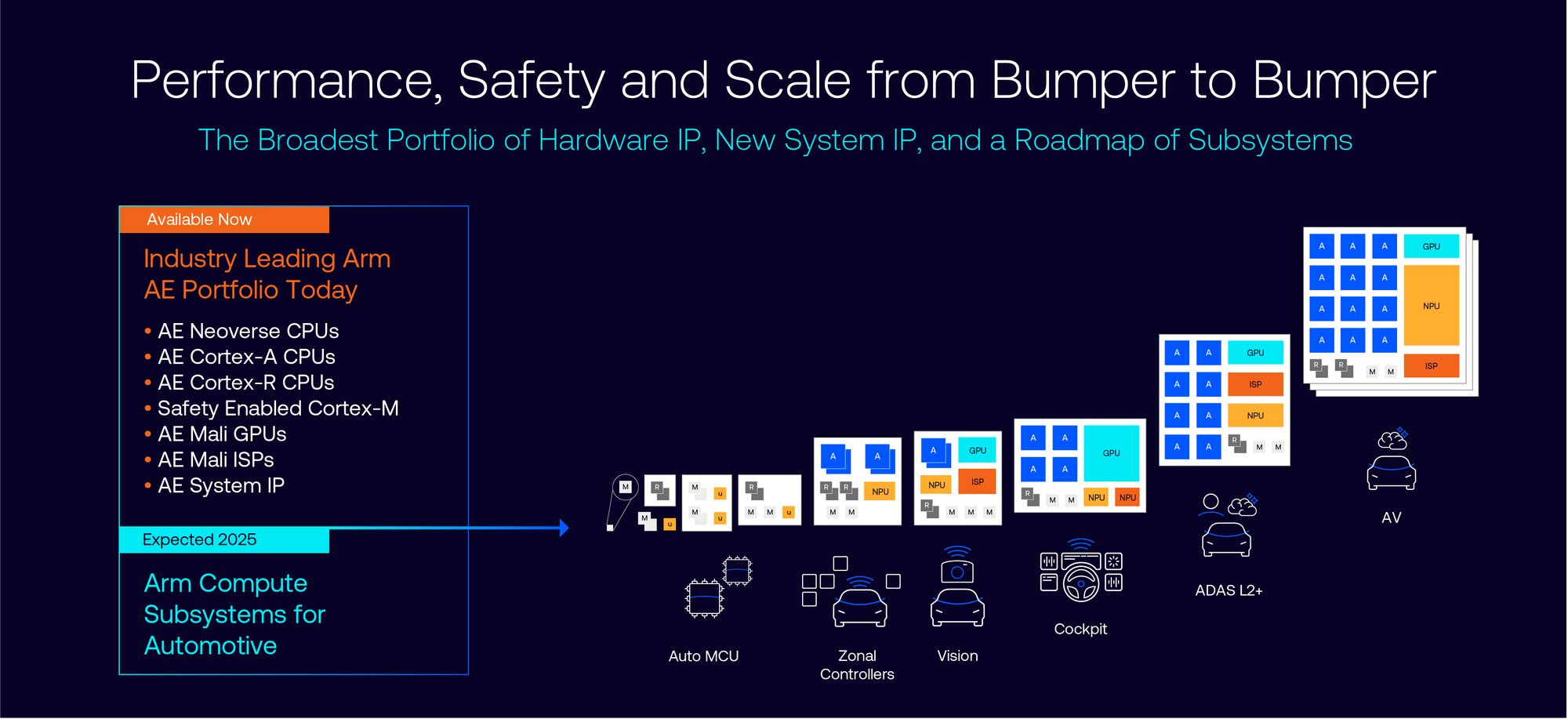
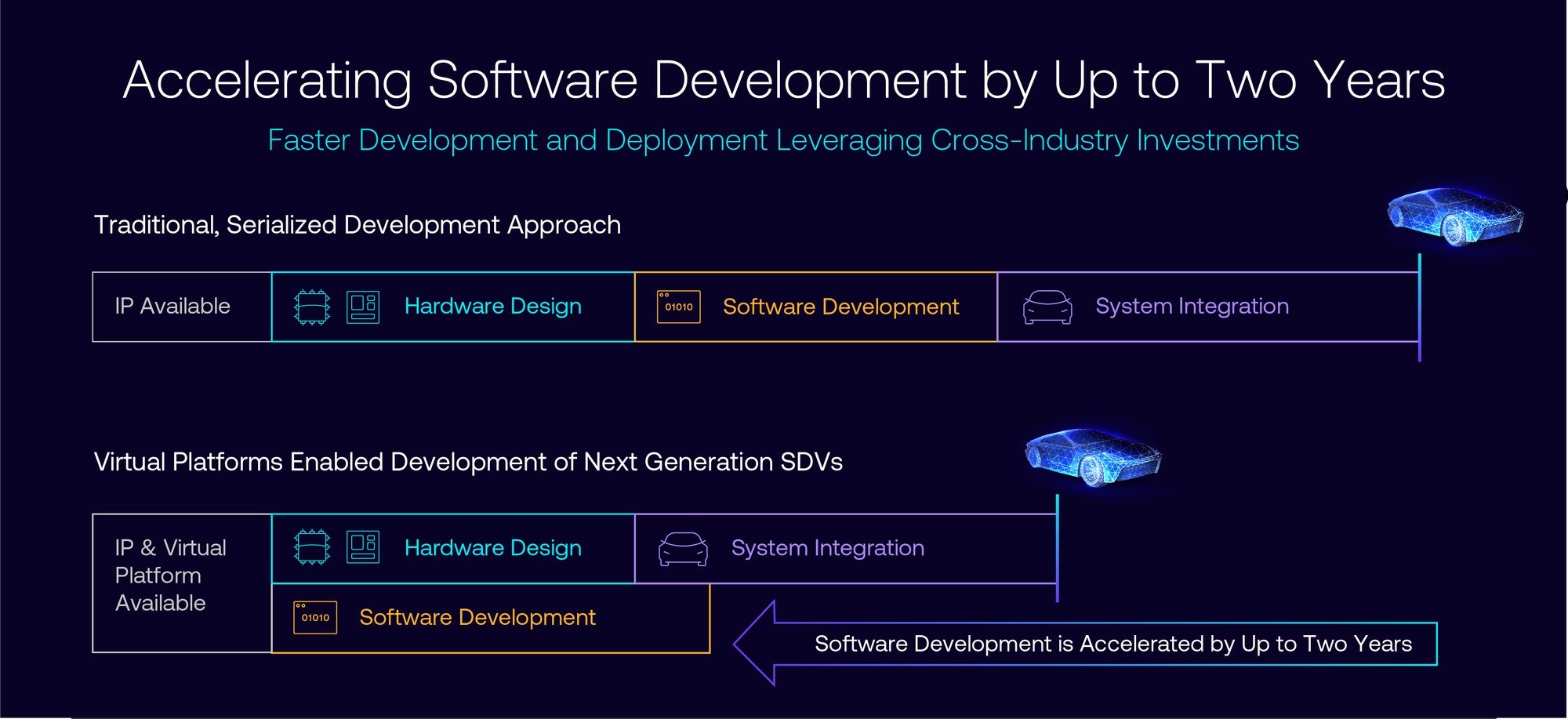
As we look to the future, the complexity of systems will continue to increase with more compute, more AI features, and safety becoming even more critical. The Arm Zena Compute Subsystem (CSS) offers pre-integrated and validated configurations of Arm AE IP. These configurations are optimized for performance, power, and area using advanced foundry processes. By integrating all the necessary components, Arm Zena CSS will help our partners bring products to market faster than ever.
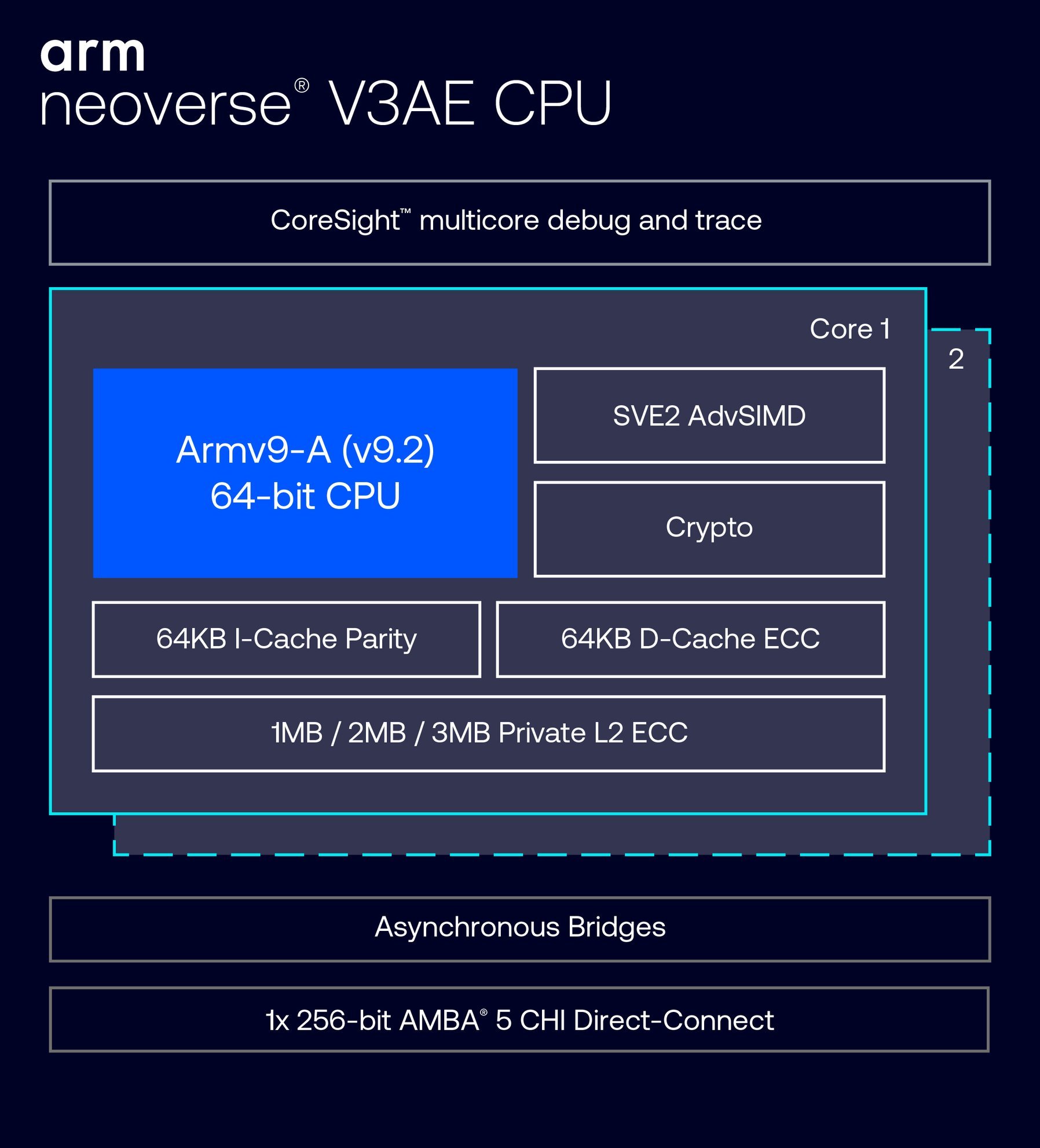
This includes the Arm Neoverse V3AE CPU, which delivers server-class performance for automotive applications, enabling real-time AI processing that is paramount for complex decision-making in ADAS and autonomous driving.
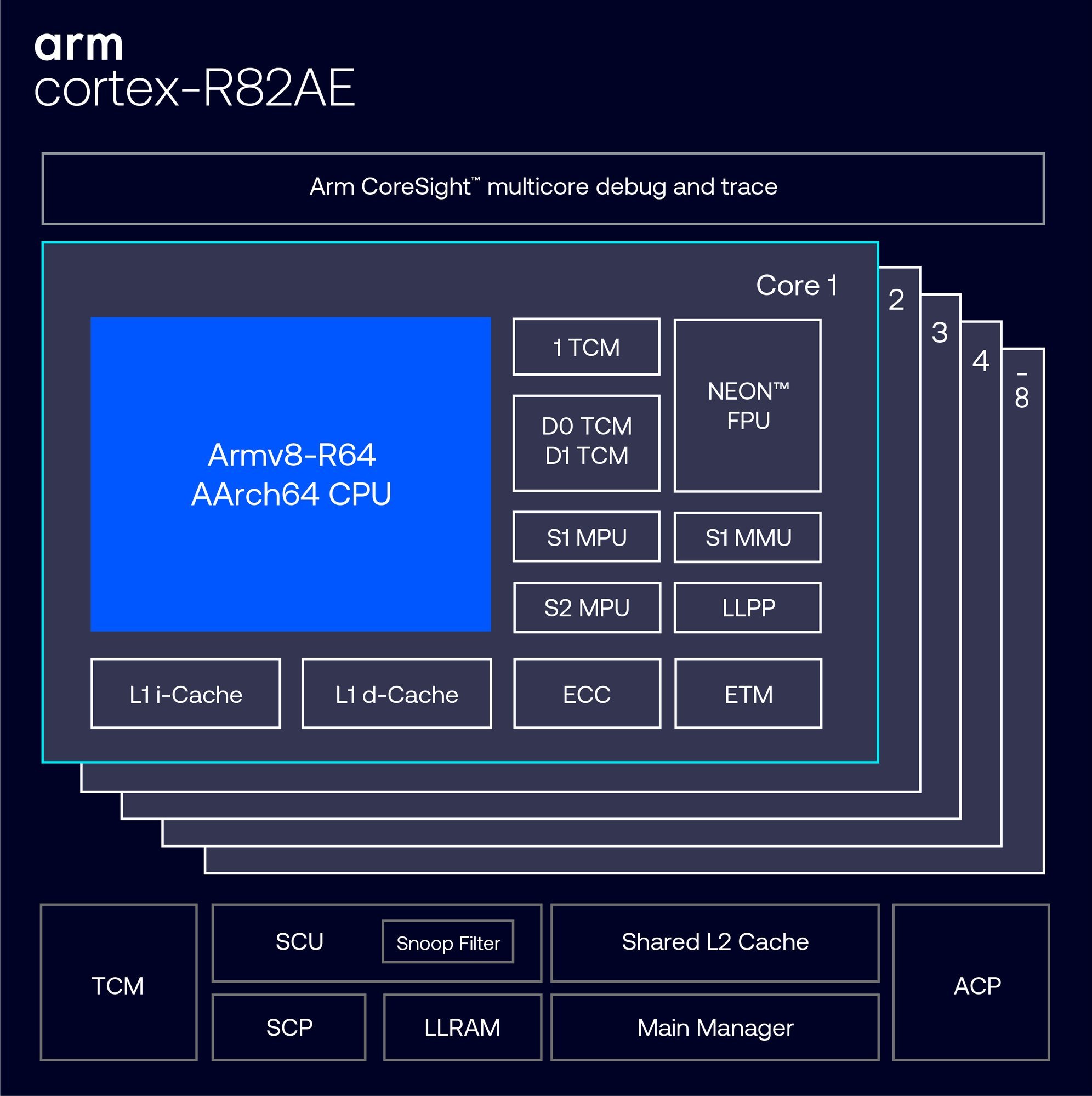
Meanwhile, Armv9 Cortex-AE processors support high-performance computing and a range of AI workloads, allowing for faster and more accurate object detection, path planning, and driver monitoring systems.
Additionally, chiplets offer numerous intriguing SoC design possibilities for the ecosystem. Arm, through our partner ecosystem, delivers a versatile compute platform to support the expanding chiplets ecosystem. Our solution stands out by offering multiple reusable IP components that can be integrated into larger systems by partners, as showcased across our new Automotive Enhanced IP technologies.